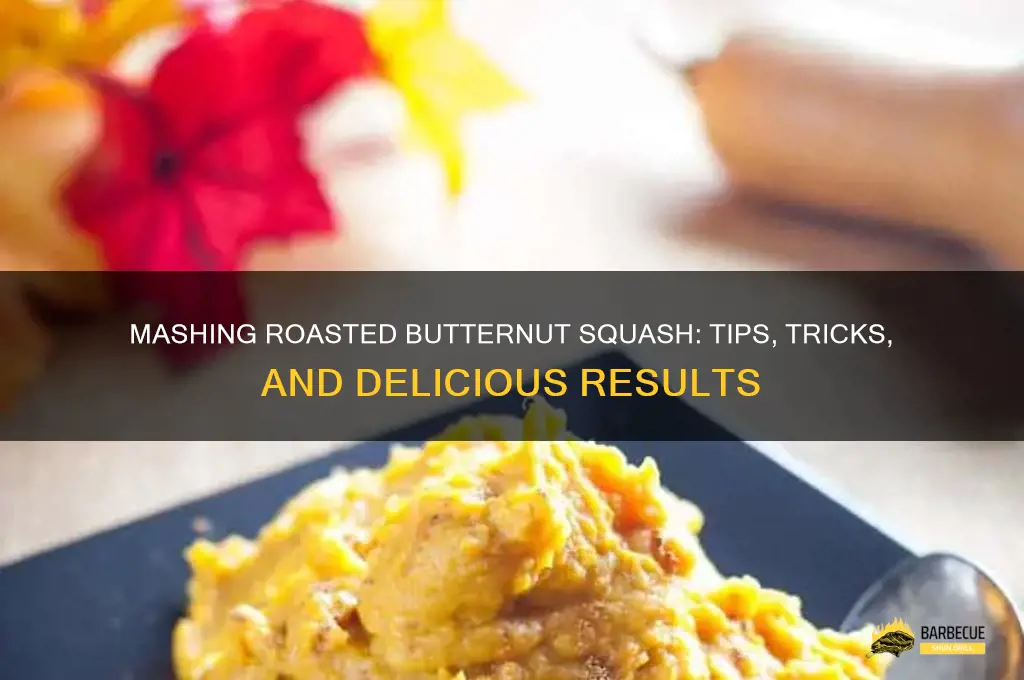
Secrets to Ultra Creamy Roasted Squash Mash Revealed
Achieving that luxuriously smooth, melt-in-your-mouth texture in your
roasted squash mash isn't just a matter of mashing; it's an art rooted in specific techniques and ingredient choices. Forget bland, watery purees – we're talking about a side dish so rich and flavorful, it could steal the spotlight at any meal. Whether you're looking for a healthier alternative to mashed potatoes, a show-stopping holiday side, or simply a delicious way to enjoy seasonal squash, unlocking the secrets to ultra-creamy results will transform your cooking. This comprehensive guide will walk you through every step, from selecting the perfect squash to mastering the art of roasting and blending, ensuring your next batch of
roasted squash mash is nothing short of extraordinary.
The Foundation: Choosing Your Squash for Supreme Creaminess
The journey to an incredibly creamy
roasted squash mash begins long before you even turn on the oven. The type and quality of squash you select play a pivotal role in the final texture and flavor. While many varieties can be used, some are inherently better suited for achieving that velvety smoothness we all crave.
*
Butternut Squash: This is often the go-to choice, and for good reason. Butternut squash boasts a naturally sweet, nutty flavor and a dense, creamy flesh when roasted. Its high starch content breaks down beautifully, contributing to a smooth mash. It's a reliable workhorse for any squash mash recipe.
*
Kabocha Squash: If you can find it, Kabocha is a fantastic contender. Often described as a cross between sweet potato and pumpkin, its flesh is exceptionally moist, sweet, and fine-textured, yielding an incredibly silky mash with minimal effort. It also has a slightly more complex, earthy flavor profile.
*
Delicata Squash: While smaller and typically eaten with the skin on, roasted delicata can be scooped out for a uniquely sweet and slightly less dense mash. Its flavor is milder, making it versatile.
*
Acorn Squash: Similar to delicata, acorn squash offers a sweeter, nuttier flavor but can sometimes be a bit stringier than butternut or kabocha. If using acorn, ensure it's thoroughly cooked and consider a fine-mesh sieve or food processor for optimal smoothness.
**Tip for Selection:** Always choose squash that feels heavy for its size, indicating good moisture content. Look for firm, unblemished skin and a dull, rather than shiny, exterior – this often signifies ripeness. A vibrant, deep color also suggests a richer flavor profile. Avoid any squash with soft spots or mold. A ripe squash will yield to gentle pressure on the stem end, but shouldn't be mushy.
Roasting Mastery: Unlocking Natural Sweetness and Texture
The roasting process is where the magic truly happens, transforming firm, raw squash into a tender, caramelized canvas for your creamy mash. It concentrates the natural sugars, deepens the flavor, and softens the flesh to perfection.
1. **Preparation is Key:** Start by washing your squash thoroughly. For larger varieties like butternut or kabocha, carefully cut them in half lengthwise and scoop out the seeds and stringy bits. You can save the seeds to roast for a crunchy topping! For smaller squash like delicata, you might only need to halve and deseed.
2. **Oiling and Seasoning:** Drizzle the cut sides of the squash generously with a good quality oil. Olive oil is a classic, but melted coconut oil or avocado oil also work well. Season simply with sea salt and freshly ground black pepper. For an extra layer of flavor, consider a pinch of nutmeg, a dash of cinnamon, or a sprig of fresh sage tucked into the cavity. Some even like to add a touch of maple syrup or brown sugar at this stage to enhance caramelization, but the squash's natural sweetness is often enough.
3. **The Roasting Method:** Place the squash halves cut-side down on a baking sheet lined with parchment paper or a silicone mat. Roasting cut-side down allows the squash to steam in its own moisture, resulting in a more tender and hydrated flesh. Roast in a preheated oven, typically around 400°F (200°C), for 45-75 minutes, depending on the size and variety of your squash.
* **Signs of Doneness:** The squash is ready when the skin is easily pierced with a fork, the flesh is incredibly tender, and the edges (especially if roasted cut-side up for the last 15 minutes) show some lovely caramelization. Don't be afraid of a little browning – it adds depth of flavor!
* For a comprehensive guide on roasting various squash types, check out our
Easy Roasted Butternut Squash Mash Recipe for Fall. It delves into specific timings and temperatures for optimal results.
4. **Cooling & Scooping:** Once roasted, remove the squash from the oven and let it cool slightly until it's comfortable to handle. This brief cooling period helps the flesh firm up just enough to make scooping easier, and also prevents accidental burns. Use a large spoon to scoop the tender flesh from the skin into a bowl. Discard the skins.
The Cream Factor: Ingredients and Techniques for Velvety Smoothness
Now for the part that truly elevates your
roasted squash mash from good to glorious: introducing the creaminess. This isn't just about adding liquid; it's about incorporating fats and using the right tools to achieve a consistently smooth, luscious texture.
1. **Fats for Flavor and Texture:**
* **Butter:** Unsalted butter is a classic choice. For an extra layer of nutty depth, consider browning your butter before adding it to the mash. This simple step adds incredible complexity.
* **Cream Cheese:** A surprising secret weapon! A few tablespoons of full-fat cream cheese, softened at room temperature, can transform your mash. It adds tanginess, richness, and an unparalleled smoothness.
* **Heavy Cream/Half-and-Half:** These dairy options provide significant richness and a silky mouthfeel. Add them warmed for best results.
* **Coconut Cream/Milk:** For a dairy-free option, full-fat coconut cream or milk offers a wonderful richness and a subtle tropical hint. Ensure you use the thick, creamy part from the top of the can.
* **Olive Oil:** A drizzle of high-quality extra virgin olive oil at the end can add a lovely fruity note and a healthy dose of monounsaturated fats.
2. **Liquids for Adjusting Consistency:**
* **Warm Milk/Broth:** To thin out the mash to your desired consistency without sacrificing flavor, warm whole milk or vegetable broth are excellent choices. Add them gradually, a tablespoon at a time, until you reach perfection.
3. **The Blending Technique:**
* **Potato Ricer:** For the absolute silkiest, lump-free texture, a potato ricer is your best friend. Press the warm squash flesh through the ricer directly into a mixing bowl. This breaks down the fibers without overworking the starch.
* **Food Processor/Blender:** A food processor or high-speed blender will also yield an incredibly smooth consistency. Add the warm squash flesh along with your chosen fats and liquids, and process until completely smooth. Be careful not to over-blend, as this can sometimes make starchy vegetables gluey. Pulse in short bursts.
* **Hand Masher:** While possible, achieving an "ultra-creamy" texture with just a hand masher can be challenging, often leaving small lumps. If you prefer a slightly rustic texture, this is fine, but for ultimate smoothness, consider a ricer or processor.
4. **Seasoning & Flavor Enhancers:**
* Beyond salt and pepper, consider a pinch of freshly grated nutmeg, a touch of ground cinnamon, or a subtle hint of allspice.
* Fresh herbs like chopped sage or thyme can be folded in.
* A squeeze of lemon or lime juice at the very end can brighten the flavors and cut through the richness.
* For an extra savory kick, roasted garlic cloves mashed in with the squash are divine.
* A pinch of cayenne pepper can add a subtle warmth without making it spicy.
Advanced Techniques & Flavor Pairings for Next-Level Mash
Once you've mastered the basics, it's time to experiment and truly personalize your
roasted squash mash. These advanced techniques and thoughtful pairings will elevate your dish from delicious to unforgettable.
* **Infused Liquids:** Before adding milk or cream, gently warm it with aromatics like a bay leaf, a few sprigs of thyme, or a crushed garlic clove. Let it steep for 10-15 minutes, then strain before incorporating into your mash. This adds a subtle, complex layer of flavor.
* **Brown Butter Magic:** Melt butter in a saucepan over medium heat, swirling occasionally, until it turns a golden-brown and smells nutty. This "beurre noisette" adds incredible depth to your mash. Stir it in right before the final mash.
* **Roast Aromatics with Squash:** For an even deeper flavor, roast whole garlic cloves (tossed with a little olive oil) or sliced onions alongside your squash. Their caramelized sweetness will blend seamlessly into the mash.
* **Textural Contrast:** While we aim for creamy, a little texture on top can be delightful. Consider garnishing with:
* **Toasted Nuts:** Pecans, walnuts, or almonds, lightly toasted and chopped, provide a lovely crunch.
* **Crispy Sage:** Fry fresh sage leaves in a little butter until crisp.
* **Toasted Pumpkin Seeds:** A sprinkle adds color and a satisfying bite.
* **Crumbled Bacon or Prosciutto:** For a savory, smoky element.
* **Serving Versatility:**
* Your ultra-creamy
roasted squash mash is a star as a standalone side dish, particularly alongside roasted meats like chicken, turkey, or pork loin.
* It also makes an excellent base for healthy grain bowls, topped with roasted vegetables and a protein.
* Use it as a healthier alternative to mashed potatoes in shepherd's pie or as a dollop on a comforting stew.
* For holiday gatherings, it's a fantastic, nutrient-rich option that often appeals to a wide range of dietary needs. Discover more about its holiday potential in our article:
Healthy Roasted Squash Mash: The Ultimate Holiday Side.
By combining the natural sweetness and texture of perfectly roasted squash with carefully selected fats, precise mashing techniques, and thoughtful flavor enhancements, you'll consistently create an ultra-creamy, incredibly flavorful
roasted squash mash that will impress every palate.
Conclusion
Crafting the perfect ultra-creamy
roasted squash mash is a culinary journey that rewards attention to detail and a willingness to experiment. From selecting the right variety of squash and mastering the art of caramelizing it in the oven, to thoughtfully incorporating fats and employing the best mashing tools, each step contributes to that coveted velvety texture and profound flavor. By embracing these secrets, you're not just making a side dish; you're creating a wholesome, comforting, and remarkably elegant culinary experience. So go ahead, grab a squash, and prepare to elevate your cooking with a truly unforgettable mash that's sure to become a cherished recipe in your repertoire.